
ONe Working Web
Beginning State
Bryan County entered the project maintaining two concurrently funded website platforms: an outdated legacy site that remained in public use and a newer replacement site that had been launched but was pulled following an administrative review, leaving the website project unfinished. The redesign therefore needed to solve more than an aesthetic or usability problem. It needed to establish a single, sustainable digital platform capable of replacing both systems, eliminating redundant technology costs, and restoring confidence in the County's website strategy.
The original intent was to complete the new website on the secondary platform and transition away from the legacy site.
An evaluation of both websites was conducted to identify reusable work, opportunities for improvement, and content requiring migration, modernization, or restructuring.
Initial Assessment
An initial evaluation determined that, while the secondary platform could support the website’s core requirements, its limited design options and boxed, preformatted elements hindered the ability to move far beyond the previously launched and subsequently rejected site style.
Research, vendor evaluations, and peer-to-peer discussions with other municipalities identified a CMS provider that offered greater flexibility, stronger long-term value, and a more robust foundation for the County’s future digital needs.
Bryan County current website at start of project.
Inherited planned replacement site.
Project Objectives
Select a CMS that balanced functionality, flexibility, long-term value, and cost.
Consolidate the County's web presence into a single modern platform.
Develop a resident-focused information architecture organized around services rather than departmental structure.
Design an intuitive sitemap that simplifies navigation, improves information discovery, and provides multiple pathways to key services while maintaining a single authoritative source.
Migrate and modernize more than 200 pages, forms, documents, and digital resources.
Establish a cohesive visual design system through reusable page layouts, custom graphics, photography, videography, and multimedia assets.
Improve the user experience through accessibility, readability, and intuitive content organization.
Strengthen Bryan County's digital identity with a modern, community-focused online presence.
Reduce visual clutter while increasing access to information and services.
Eliminate redundant web services and reduce ongoing operational costs.
Deliver a scalable website that supports future growth and evolving County services.
My Role
As Communication Strategist for Bryan County, I led the majority of a comprehensive redesign and migration of the County's public website. The project involved restructuring a large government information ecosystem into a resident-focused digital service platform, migrating more than 200 pages and digital resources, developing the site's visual and content systems, coordinating requirements across County departments, and implementing the completed experience within a new CMS.
My responsibilities extended from initial research and vendor evaluation through information architecture, sitemap development, page design, content strategy, migration, custom HTML/CSS, photography, video production, graphic design, CMS implementation, stakeholder coordination, quality review, and launch preparation.
The Challenge
The existing website contained valuable information, but years of growth had led to:
Inconsistent page layouts and navigation
Duplicate or outdated information
Department-specific styling with little visual continuity
Dense content that was difficult to scan
Limited accessibility and readability
A digital experience that neither fully reflected Bryan County's identity nor effectively served the diverse needs and expectations of the residents, businesses, and visitors who rely on it.
The challenge was to modernize the experience without losing the depth, accuracy, and operational value of the County's existing information.
Research & Strategic Assessment
The project began with a review of the proposed website host platform, evaluations of digitally mature county websites and vetting of additional CMS hosts to ensure informed and comparative final selection. Findings related to information architecture, accessibility, design practices, and communication strategy informed the CMS platform selection and overall direction of the new website. During the discovery process, I also evaluated the County's existing digital services and workflows to identify opportunities for greater efficiency.
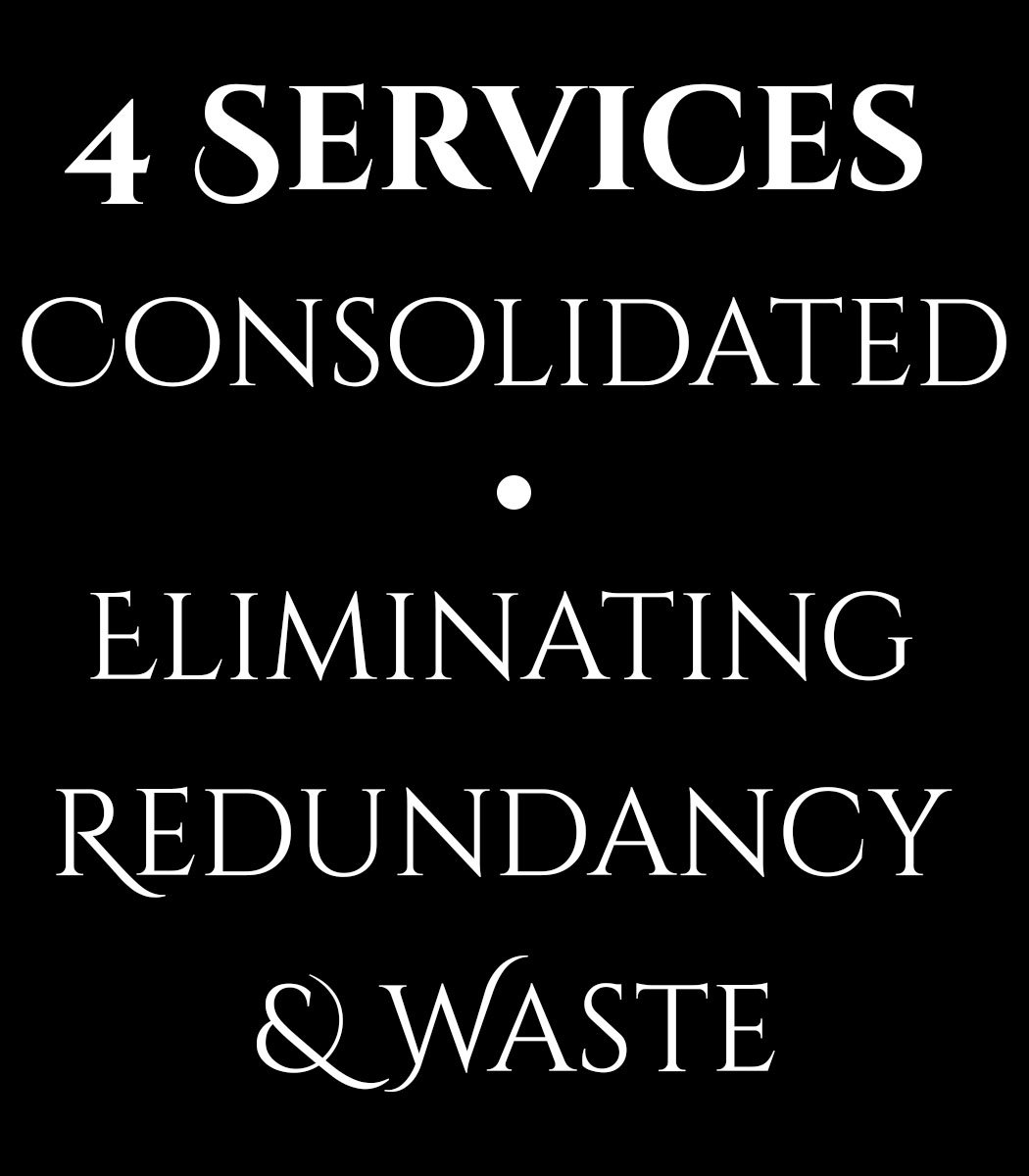
This review uncovered two separate software services that duplicated functionality already available within the County's existing website platform. Eliminating those redundancies immediately reduced unnecessary expenses while simplifying the overall digital ecosystem.
The evaluation identified the need for a platform that offered:
Greater design flexibility
Modern user experience capabilities
Complete administrative control of future workflows
Reduced reliance on outside developers and add on third party systems
The ability for staff to make future updates internally without ongoing development costs
The selected solution not only provided significantly greater flexibility but also eliminated recurring expenses associated with the previous platform and overlapping third-party services.
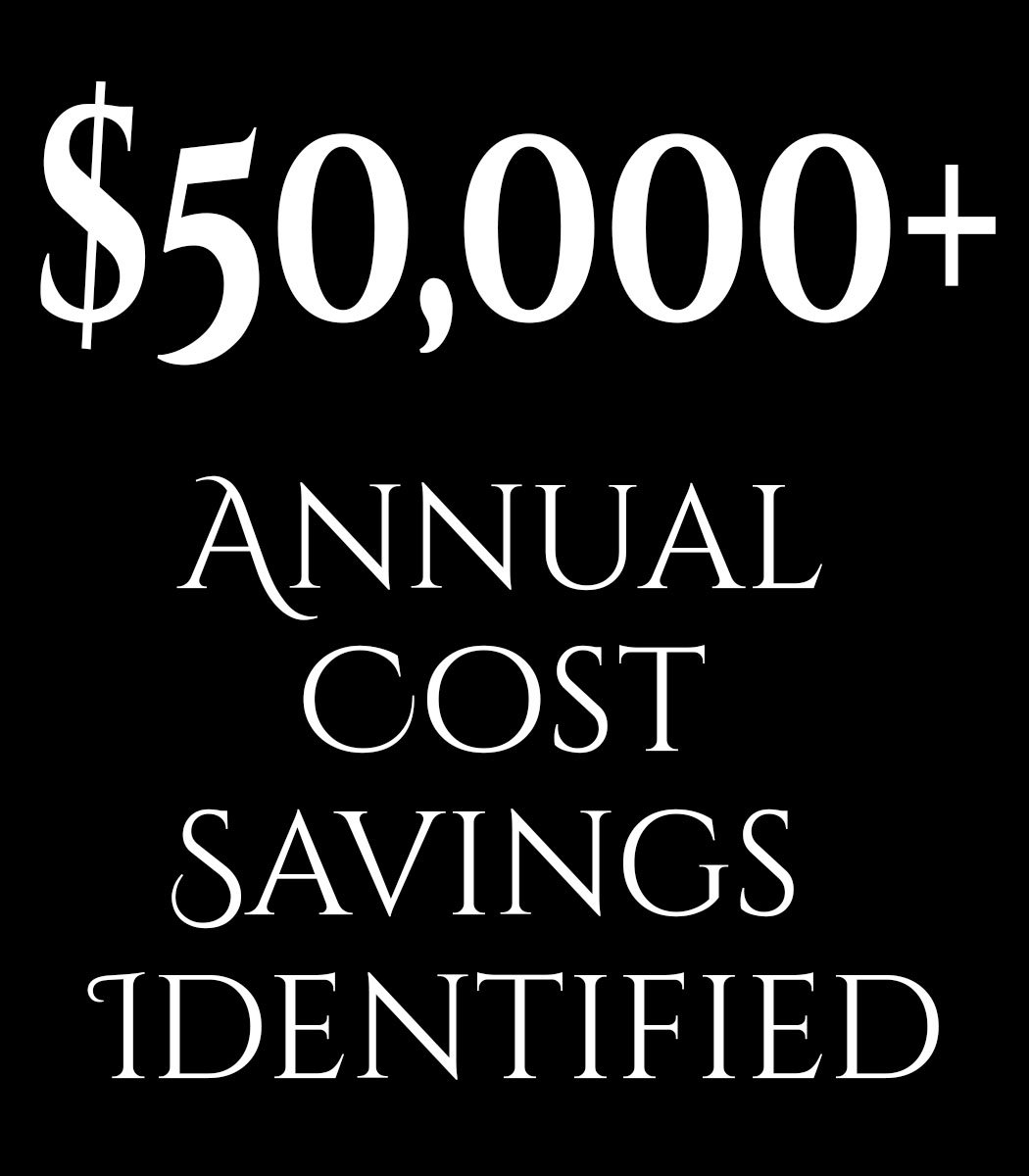
Estimated annual cost savings exceeded $50,000 while providing substantially greater functionality and long-term sustainability.
Site Migration & Design
Information Architecture
Information was reorganized around how residents naturally search for services rather than how County departments are structured internally. Related content was consolidated, duplicate information was reduced, and new navigation pathways were developed to improve usability while supporting future expansion.
The Process
Content Strategy
Existing content was reviewed, rewritten, and reorganized using plain language principles to improve readability while preserving important legal, procedural, and regulatory information. The result was clearer communication that better serves residents while reducing the effort required to find information.
Front-End Development
Custom HTML and CSS enhancements extended the capabilities of the County's CMS beyond its default functionality. Reusable interface components, interactive elements, and responsive layouts provided a more engaging user experience while remaining maintainable for future development.
User Interface & Visual Design
A cohesive design system was developed to create consistency across more than 200 pages and digital resources. Standardized layouts, reusable components, typography, iconography, color systems, and visual hierarchy established a recognizable County identity while improving accessibility and ease of use.
Testing & Continuous Improvement
Throughout the redesign, pages were reviewed for content accuracy, layout consistency, readability, navigation, and responsive behavior. Stakeholder feedback and real-world use informed iterative improvements as departmental and resident needs evolved.
Project Evolution(W.I.P.)
With approximately 90% of the website completed, the project entered its final implementation phase. Work centered on completing the remaining content migration, validating the user experience, and preparing the site for public launch.
During the final review phase, administrative requests expanded the original project scope beyond the previously approved direction. These revisions included updates to the visual design, new homepage components, expanded navigation, the addition of departmental landing pages, revised imagery, and changes to the overall presentation. These changes are currently being implemented alongside the existing work, requiring an expanded project scope and a revised implementation timeline.
Current Focus
Complete remaining content migration
Comprehensive content review and refinement
Cross-department content validation
Homepage redesign and visual enhancements
Administrative approval of new style direction
Design and implementation of departmental landing pages
Navigation verification and user pathway testing
Accessibility and quality assurance testing
Design system refinement and consistency
Launch planning and timeline reassessment
Developed Site Design
Current In Progess Style Redesign